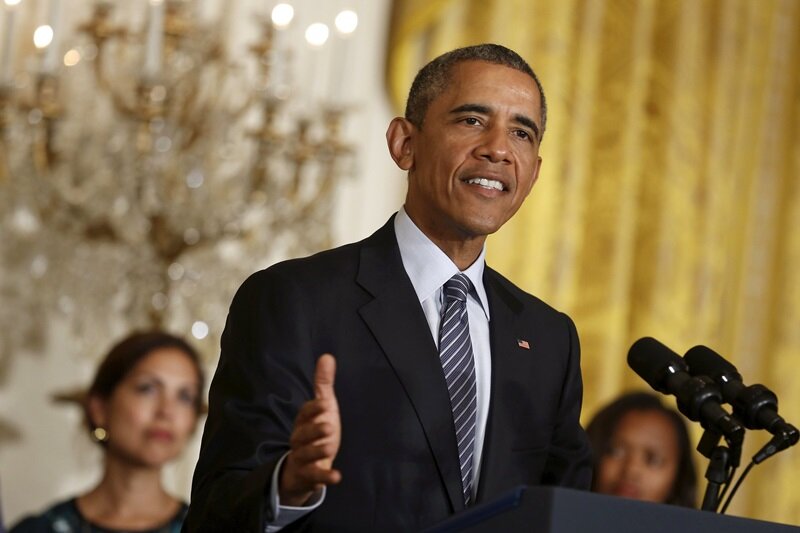
“Because of this plan and other steps we’ve taken to combat climate change, we’ll reduce premature deaths from power plant emissions by almost 90 percent by 2030, and we’ll see 90,000 fewer asthma attacks among our children each year”.
President Barack Obama’s sweeping new power plant regulations are thrusting the divisive debate over climate change into the race for the White House, with candidates in both parties seeing an opportunity to capitalize.
The fight against climate change has become a priority of the Obama presidency, while some Republican politicos remain skeptical about its effects and even about the existence of global warming. “This plan is not the all-of-the-above energy strategy needed to boost job creation and reduce energy prices for families”.
“Indiana will also continue to vigorously challenge the legality of this rule in the federal courts”, Pence said in a statement.
“But today, with America leading the way, countries representing 70 per cent of the carbon pollution from the world’s energy sector have announced plans to cut their greenhouse gas emissions”, said the US President.
It includes incentive programmes for US states to adopt renewable energy sources such as wind and solar power. Obama’s proposal from last year set the target as a 30 percent nationwide cut by 2030, compared to the levels in 2005.
“Their legal foundation is very, very shaky”, Morrisey said of the Obama administration. By developing a strong state plan, Virginia can reduce pollution while at the same time spur clean energy development and create good-paying jobs.
Another shot fired in what states such as West Virginia and Ohio have called the “war on coal“.
“Why are we hamstringing our national economy and our Moffat County economy”, Moffat County Commissioner John Kinkaid said. As a result, many old and inefficient plants have been shut down, and plans for new plants canceled.
The final Clean Power Plan also gives states more flexibility to meet the ambitious carbon standards: they must comply by 2022 instead of 2020 and the emission reductions are phased in on a “gradual glide path” to 2030. The final version aims to keep the share of natural gas in the nation’s power mix at current levels. The original proposal for the plan – which has been two years in the making – included a 23 percent reduction. These building blocks are critical to displacing coal-based power, which has a long history of causing health and environmental devastation, yet remains a significant portion of many utilities’ power mix.