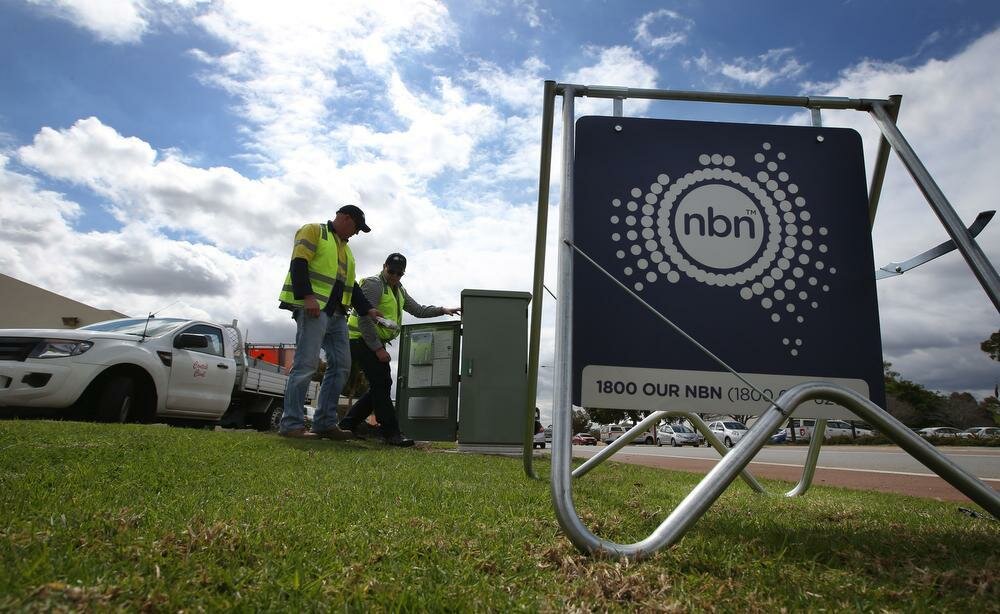
FTTN technology is a cornerstone of the Coalition’s multi-technology mix (MTM) approach to the National Broadband Network rollout.
On the other hand, the speed available via FTTN depends on the distance (more accurately, the length of the cable) between the node and the premises, and also on the condition of the copper cable.
“We need to see the the current figures on what NBN Australia has estimated to be the rollout costs for FTTP, to ensure that we and other industry experts can provide analysis and advice about whether the planned roll out is technically and financially appropriate in the long term”.
The FTTN trial delivered wholesale speeds of 100Mbps down and 40Mbps up to most end users, NBN said.
NBN has launched its first live services for end users on fibre-to-the-node technology, claiming most ADSL users won’t need an on-premises appointment to switch over to the network.
Internet Australia is heaping pressure on the Federal government to address concerns regarding the troublesome roll out of the National Broadband Network.
“Overseas experience in markets like the United Kingdom and Germany has proven the value of FTTN in delivering fast broadband services to millions of premises both quickly and cost effectively”, said NBN chief architect Tony Cross.
In its most recent corporate plan, unveiled last month, NBN forecast 500,000 properties would reach FTTN ready for service status in financial year 2016.
Using the multi-technology-mix, the NBN company aims to connect eight million homes and business, providing wholesale download data rates of up to 25 Mbps to all premises and at least 50 Mbps to 90 per cent of fixed line premises as soon as possible.
NBN Co says customers connected to the National Broadband Network via FTTN will be able to achieve download speeds of 100Mbps provided they are within 400 metres of the exchange, and speeds of up 60Mbps if they’re more than 700 metres from the cabinet.
To sell its FTTN services, NBN has signed Wholesale Broadband Agreements (WBA) with over twenty Retail Service Providers including Telstra, Optus, Optus Wholesale, Exetel, TPG, iiNet, AAPT, SkyMesh, Harbour ISP and M2 Group (Dodo, iPrimus, Commander). We will start to get some real-world data on those questions very shortly.